
If you’re starting your journey behind the wheel, one of the first questions you’ll probably ask is: How many driving lessons do I need? It’s a completely normal thing to wonder, especially when you’re keen to pass your test and get on the road as soon as possible. The truth is, there isn’t a one-size-fits-all answer, as everyone learns at a different pace.
Where some learners might find it fairly easy to pick up certain driving skills, others may take a bit longer. The pace at which you learn will usually depend on your confidence and how often you’re practising, as well as the quality of your driving instructor.
This guide will explain what to expect, how to plan your lessons, and what can help you get ready for your driving test with confidence.

How Many Driving Lessons Do I Need? What To Expect As A Learner
Before we dive in, it helps to know what this article will cover. Learning to drive is more than just counting lessons—it’s about building skills, confidence, and good habits as you go.
Below is a breakdown of what we’ll cover. From how many lessons you may need, to picking the right instructor. Each section will help you understand the process step-by-step:
- How Many Hours of Driving Lessons Do I Need?
- How Many Automatic Driving Lessons Do I Need?
- How to Pass Your Driving Test Quickly
- How to Choose the Right Driving Instructor
- Step-by-Step Guide to Learning to Drive

How Many Hours of Driving Lessons Do I Need?
Most learner drivers in the UK take about 45 hours of lessons with an instructor and around 20 hours of private practice before they feel ready for their driving test. This is only a guideline. Some people are ready sooner, while others need more time, depending on their confidence, experience, and how often they drive.
When taking driving lessons in Oxford, you will follow a similar learning pattern. Lessons are designed to help you build your skills step by step, so you can reach test standard at a pace that works for you.
These numbers are just an average. What matters most is that you feel steady, confident, and able to handle different driving situations safely.
Several things can affect how many hours of lessons you might need:
- Confidence: If you feel nervous, you might need a bit more time to get comfortable driving.
- Lesson frequency: Taking lessons regularly usually helps you learn faster than having long breaks between sessions.
- Practice outside lessons: Getting extra supervised practice can help you improve more quickly.
- Learning environment: Driving on different types of roads gives you a wider range of experience.
- Instructor quality: Having a supportive and well-organised instructor can really help you make progress.
What counts the most isn’t the number of hours you have completed, but how much confidence and exposure to different scenarios you have had in your lessons. Once you and your instructor feel you’re ready for any situation that could come up, you’ll be set for your driving test.

How Many Automatic Driving Lessons Do I Need?
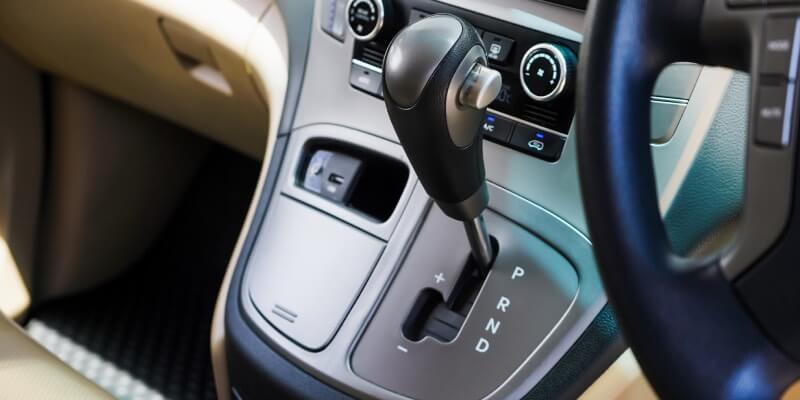
Many people find learning to drive an automatic car easier because you don’t need to worry about changing gears or using the clutch. This means you can pay more attention to steering, positioning, and watching the road. Even though it might feel simpler, the lessons are just as long and follow the same structure as manual lessons.
When it comes to how long it takes to be ready for the driving test, the Driver and Vehicle Standards Agency says most people need about 45 hours of lessons with an instructor, plus approximately 20 hours of private practice. Learners in automatic cars often need less time, usually between 30 and 40 hours of lessons, because there are fewer mechanical skills to master.
Practising with family or friends, as well as taking lessons, can really help. The more time you spend driving, the more you reinforce what you’ve learned and get used to real-life situations on the road. This extra experience usually makes learners feel more confident and ready for their test.
It’s important to remember that if you pass your driving test in an automatic car, your licence will only let you drive automatics. If you want to drive a manual car in the future, you’ll need to take and pass another test in a manual vehicle.
How to Pass Your Driving Test Quickly
If you want to pass your driving test soon, focus on steady progress instead of rushing. Everyone learns differently, but there are simple ways to use your time well and avoid delays. Even small changes in how you learn can help you reach test standard faster.
Here are some practical tips to help you make good progress:
- Be consistent with lessons: Having lessons regularly will help you retain what you’ve learned and keep improving steadily.
- Practise between lessons: Extra time driving outside of lessons helps build confidence and improve overall control.
- Stay focused during lessons: Treat each lesson as an opportunity to improve specific skills rather than just “getting through it”.
- Ask questions: If you’re unsure about something, speak up so you can correct mistakes early.
- Learn from feedback: Taking on advice and applying it straight away helps you progress more quickly.
- Keep calm under pressure: Staying relaxed helps you think clearly and make better decisions on the road.
Passing your test quickly doesn’t mean rushing or skipping steps. Make sure to make the most of each lesson, use tips to pass the test the first time, and practise as often as you can. This way, you’ll reach test standard sooner and become a safe, capable driver.

How to Choose the Right Driving Instructor
Picking the right driving instructor can really affect how fast and confidently you learn. A good instructor does more than help you pass your test—they help you build safe habits, understand the road, and feel comfortable in different situations. If you don’t feel comfortable with your instructor, it might slow your progress, so it’s important to take your time with this choice.
How an instructor communicates with you is key. Look for someone who explains the steps clearly and is patient. Everyone learns differently, and most instructors are trained to tweak their teaching styles to suit learners’ needs.
Their experience and reputation are usually good signs as well. Read reviews, ask friends, and check pass rates to get an idea of whether they are the right choice for you. Many learners also find it a good idea to take a trial lesson first – this is the best way to confirm whether they are the right fit for you.
At our driving school in Oxford, our instructors focus on creating a calm, supportive environment for our learners. Each lesson will be structured, and you will have a progress record, so you can see how you are improving along the way.
Step-by-Step Guide to Learning to Drive
Learning to drive has a clear process, and knowing what to expect at each stage can help you feel organised and confident. Everyone learns at their own pace, but most people follow a similar path from their first lesson to passing the test.
Here’s what the usual journey to passing your driving test looks like:
- Apply for your provisional licence: This is the first step before you can start learning to drive on public roads.
- Start your theory preparation: Begin studying road signs, rules, and hazard perception so you’re ready for the theory test.
- Take and pass your theory test: You can do this before or during your lessons, but you must pass before booking your practical test.
- Take your first driving lessons: Get used to basic controls, road positioning, and building confidence in a safe environment.
- Build core driving skills: Progress onto busier roads, junctions, roundabouts, and essential manoeuvres like parking and reversing.
- Practise outside of lessons: Supervised driving helps reinforce what you’ve learned and improves consistency.
- Prepare for your driving test: Focus on refining weaker areas and getting used to test-style driving conditions.
- Take and pass your driving test: Put your skills into practice and demonstrate safe, confident driving on the day.
As you move through these stages, your skills will develop until you feel ready for your test. The key is to take things step by step, stay consistent with your learning, and concentrate on making consistent progress rather than rushing the process.
Final Advice On How Many Lessons You Will Need
Learning to drive takes time, steady effort, and the right mindset. There isn’t a set number of lessons that suits everyone, but most people make good progress when they mix regular lessons with extra practice and know what they want to achieve. Gaining confidence behind the wheel matters just as much as learning the test skills.
Your learning environment will also affect how quickly you improve. Having the right instructor who gives you constructive feedback helps you stay on track and avoid picking up bad habits.
Most importantly, don’t rush. Everyone learns at their own pace, and you don’t want to miss important steps to build safe driving habits for life. With good guidance and instruction, you’ll be ready for your driving test in no time.
When you feel ready, you can start your driving lessons in Oxford with us. We help you build confidence step by step and guide you toward reaching test standard in a clear, structured way.