
Starting something new might feel like a big step, especially when it involves getting behind the wheel for the very first time. Your first driving lesson is an exciting experience, but it’s completely normal to feel some nerves. Whether you’re counting down the days or feeling slightly anxious, knowing what lies ahead can make the experience less intimidating.
Your first session is about getting familiar with the car, learning the basics, and building confidence. Your instructor doesn’t expect you to be an expert—they’ll guide you one step at a time and introduce each skill at your pace.

What you’ll learn during your first driving lesson
Before you get started, it helps to know what your first lesson is really focused on. Most learners are introduced to the car controls, basic safety checks, and simple driving movements in a calm environment.
You’ll also begin to understand how everything fits together, from steering and braking to using mirrors and moving off safely. The aim isn’t perfection—it’s about building confidence behind the wheel.
Here’s a quick overview of the main areas we’ll cover:
- Getting ready for your lesson
- What do you do on your first lesson?
- Basics to know before your first driving lesson
- Advice for your first driving lesson
- How to combat first lesson nerves
- Understanding driving environments
- Common first lesson mistakes and how to avoid them
- Building confidence behind the wheel
Getting ready for your lesson
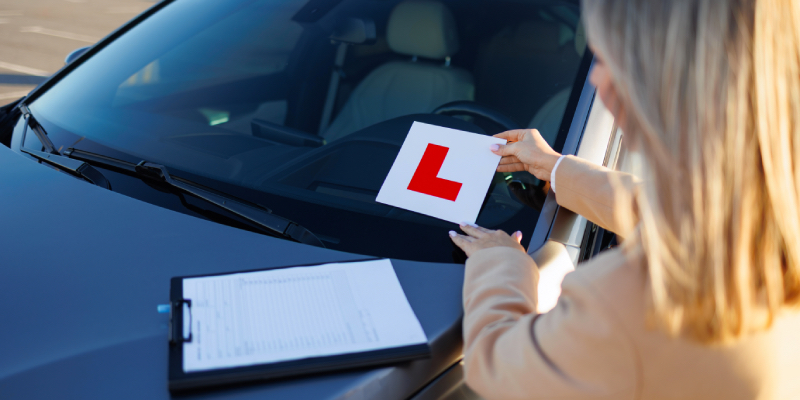
Preparing for your first driving lesson can make a big difference in how comfortable you feel during it. A little thought beforehand goes a long way in helping you focus on learning rather than worrying about small details.
Here are some key things to do before your first lesson:
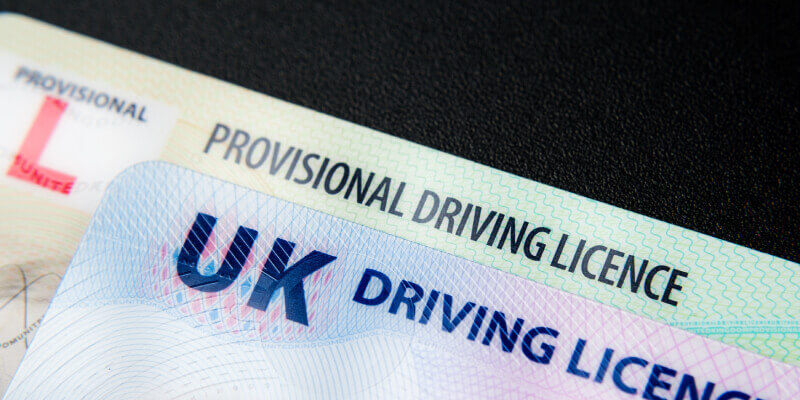
- Check your provisional licence: Your instructor must see it before you can drive.
- Wear supportive shoes: Choose sensible footwear for your first lesson, ideally flat shoes with thin soles. Avoid heels or bulky trainers.
- Wear comfortable clothing: Clothes that don’t restrict movement make steering and pedal control easier.
- Pick the right time: Avoid rush hour for your first lesson so you can focus on the basics in quieter traffic.
- Mentally prepare: Visualise adjusting mirrors, using the pedals, and steering smoothly to reduce nerves.
- Choose a supportive instructor: A patient, encouraging instructor can make learning far less stressful.
Taking a few minutes to prepare in these ways will help you start your first lesson with confidence and a clear head, ready to focus on the exciting experience of learning to drive.
What do you do on your first lesson?
Your first lesson is all about getting familiar. You won’t be expected to drive in heavy traffic or around difficult junctions. Instead, your instructor will guide you through the basics in a calm setting.
Introduction and paperwork
The lesson usually starts with introductions and a check of your provisional licence. Your instructor might ask if you’ve ever sat in the driver’s seat before or have any previous experience, even as a passenger. This helps them tailor the lesson to your level of confidence.
Getting to know the car
Before driving, you’ll be introduced to the car’s controls: pedals, gear stick, mirrors, indicators, and steering wheel. It can feel like a lot at first, but your instructor will break everything down clearly and calmly.
Cockpit drill
You’ll learn how to adjust your seat, mirrors, and steering wheel to ensure a safe driving position. This step might seem small, but it makes a big difference in how confident and in control you feel behind the wheel.
Moving off and stopping
Once you’re comfortable, you’ll practice moving off for the first time. Learning to find the biting point on the clutch, pressing the accelerator gently, and stopping smoothly are the key skills at this stage. Don’t worry if the car stalls — this is extremely common for beginners and part of the learning process.
Basic driving practice
If everything is going well, you may practice moving off, steering, and stopping repeatedly. Each repetition helps you remember the movements, and your instructor will offer feedback and reassurance throughout. By the end of the session, you’ll have a basic feel for controlling the car and a first taste of what driving is really like.
Basics to know before your first driving lesson
Even before you take the wheel, understanding a few basics can make your first lesson less stressful.
The pedals
If you’re learning to drive in a manual car, there will be three pedals: the clutch, the brake and the accelerator. The clutch can be quite challenging at first, but practising the biting point is the key to building your confidence and control.
Awareness of the road
Even if you’ve never driven, observing traffic as a passenger can help. Knowing where to look, understanding traffic signs, and noticing when vehicles stop or move are all important early lessons in situational awareness.
Safety matters
Learning to drive comes with responsibilities. For example, driving without insurance is illegal, and although the instructor’s car will be insured for learners, it’s important to appreciate the legal context from the start. Always wear your seatbelt, adjust your mirrors correctly, and keep your full focus on the road ahead.
Basic driving terms
You may hear terms like “biting point,” “mirror-signal-manoeuvre,” or “blind spot.” Don’t worry if these seem confusing — they will become second nature with practice.

Advice for your first driving lesson
Here are some practical tips to make your first lesson more productive:
- Go at your own pace: You don’t need to master everything on the first try — small steps add up.
- Speak up if you’re confused: Your instructor is there to help, so never hesitate to ask.
- Relax behind the wheel: Anxiety can affect your control. Take a breath and focus.
- Follow instructions closely: Your instructor will break things down into simple steps for you to make it really clear.
- Remember, everyone learns differently: Mistakes happen, and that’s part of the learning process.
At our driving school in Oxford, we focus on helping learners feel relaxed, confident and positive as they learn to drive. After your first lesson, your instructor will go over how it went and help you set clear goals for your next session.

How to combat first lesson nerves
Feeling nervous is completely normal, even for learners who have been preparing for months. Here are some techniques to manage those nerves effectively:
- Accept your nerves: Feeling nervous is completely normal, especially on your first lesson. Most learners do, and it usually eases once you start driving.
- Focus on small steps: Don’t try to do everything at once. Concentrate on one action at a time, like steering or using the pedals, and let the rest come naturally.
- Breathe and relax: When you start feeling tense, pause for a moment. Take a few slow breaths, in and out, and let your focus reset. Even a short pause can calm your nerves and make driving feel easier.
- Avoid heavy traffic: Try starting on quiet streets rather than during rush hour. It’s much easier to get used to the car and the pedals when you’re not juggling heavy traffic at the same time.
- Celebrate small wins: Pay attention to the little things you do right, like a smooth start, a proper turn, or a controlled stop. Each success, no matter how minor, adds up and boosts your confidence.
As you continue, your nerves will naturally lessen, and your confidence will grow—remember that managing nerves is an important skill in itself, and feeling more comfortable is a key early milestone.

Understanding driving environments
As you progress, your lessons will introduce a variety of driving environments. Each one teaches new skills and challenges.
- Quiet residential streets: Great for learning clutch control, moving off, stopping, and turning.
- Busier roads: Teach lane discipline, observation, and reacting to other road users.
- Roundabouts and junctions: Help develop decision-making and priority awareness.
- Parking and manoeuvres: Practising bay parking, parallel parking, and three-point turns in controlled environments prepares you for real-world driving.
As you experience different driving conditions, your confidence will naturally grow. When you’re taking driving lessons in Oxford with one of our instructors, you’ll also spend time on roads you’re likely to drive on after passing your test.

Common first lesson mistakes and how to avoid them
Even the most prepared learners make small mistakes during their first lesson — it’s completely normal. Being aware of these common pitfalls can help you feel more confident and prepared when you step into the car.
Some mistakes to watch out for include:
- Stalling the car: This happens to almost everyone when learning the clutch. Take your time, stay calm, and try again.
- Overlooking mirrors: Beginners often forget to check mirrors when moving off or changing direction. Making a habit of looking regularly keeps you safe.
- Overthinking every action: Trying to remember every step at once can make you tense. Focus on one thing at a time, like steering or clutch control.
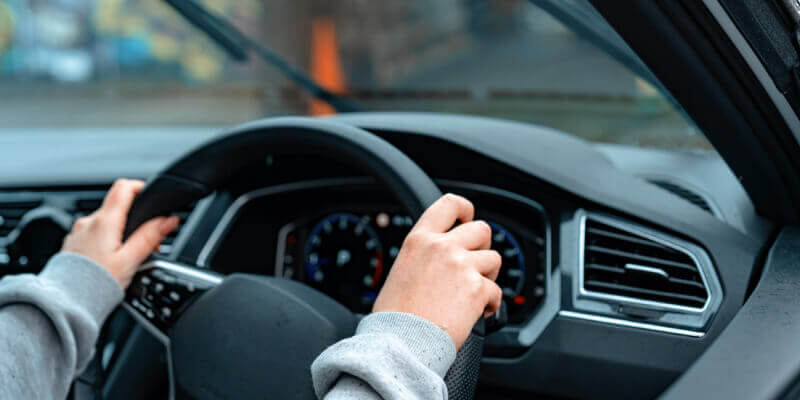
- Gripping the wheel too tightly: A relaxed grip makes steering smoother and reduces fatigue.
- Panicking in unexpected situations: A sudden stop, traffic, or other road users may feel intimidating. Take a breath and remember your instructor has dual controls.
- Not asking questions: Many learners hesitate to speak up. If something isn’t clear, ask — your instructor expects it.
Understanding that these mistakes are part of the learning process can reduce anxiety and help you recover quickly if they happen. Even experienced drivers made these same errors when they first started. By knowing what to expect during your driving lessons in Oxford, you can concentrate on learning and enjoy the experience, instead of worrying about getting everything perfect.
Building confidence behind the wheel
Confidence doesn’t come overnight. Here are ways to develop it effectively:
- Regular lessons: Try to get out as often as you can. Doing it a little at a time helps you remember things better than long gaps between sessions.
- Observation practice: Even when you’re just sitting in the passenger seat, watch how drivers deal with traffic, roundabouts, and lane changes. It’s amazing how much you pick up just by paying attention.
- Positive mindset: Don’t beat yourself up over mistakes. Everyone stalls, misjudges a turn, or forgets a mirror check now and then — it’s completely normal.
- Gradual exposure: Start on quiet streets first, then slowly move onto busier roads when you feel more confident. Tackling challenges step by step makes learning a lot less stressful.
- Preparation for real driving: Practice in different conditions, such as rain or darkness. Knowing how to adjust your driving will make you feel more prepared behind the wheel.

Final thoughts
Your first driving lesson is a big step, but it’s also the start of an exciting journey. It’s not about being perfect — it’s about learning, gaining confidence, and developing skills gradually.
By knowing what to expect, preparing properly, and approaching the experience with a positive mindset, you’ll give yourself the best possible start. Every driver you see on the road today started exactly where you are now.
Take things one step at a time, trust the process, and before long, you’ll feel comfortable and confident behind the wheel.